




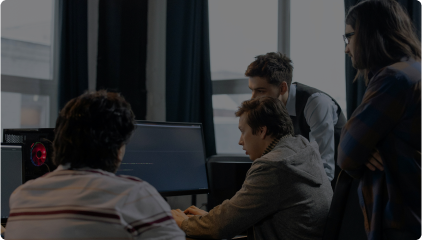
Understanding group discussions is pivotal for success in various professional and academic settings. These structured yet dynamic conversations bring individuals together to deliberate on specific topics. They allow for the exchange of diverse perspectives and the collective pursuit of understanding or consensus.
Effective participation in group discussions is paramount for enhancing communication, critical thinking, and interpersonal skills. This guide explores the core concepts, phases, participant roles, and essential skills for excelling in group discussions. It offers a holistic view of this invaluable communication format.
Understanding Group Discussions: Definition and Distinction from Debates
A group discussion (GD) is a formal, interactive session where a small group of individuals, typically six to eight, engage in conversation about a specific topic. The primary objective involves exchanging views, ideas, and opinions, often without necessarily reaching a definitive conclusion. It serves as a platform for verbal presentation and assessment of communication and convincing skills.
Participants articulate their thoughts clearly, ensuring their viewpoints receive acknowledgment from others. This collaborative environment fosters a deeper understanding of complex issues. It also encourages participants to consider multiple perspectives before forming their own conclusions.
Group Discussion vs. Debate
While both group discussions and debates involve multiple participants presenting their views, they differ significantly in structure, objectives, and dynamics. Understanding these distinctions is crucial for effective participation. A debate typically involves two opposing sides arguing for or against a proposition, aiming for a clear winner. Conversely, a group discussion prioritizes exploration and collaboration.
Group discussions allow for interruptions and a more fluid exchange of ideas. Arguments can evolve, leading to new perspectives and opportunities for participants to refine their views. Debates, however, usually involve set times for each participant to present arguments without interruption, followed by rebuttals. The discussion in a debate revolves strictly around two opposing viewpoints.
How Group Discussions Assess Participants
Unlike written tests that primarily evaluate analytical skills or memorization, group discussions assess a broader range of soft skills and behavioral traits. These are essential for professional success. Recruiters and evaluators look for specific qualities during a group discussion, observing how individuals interact and contribute.
Group discussions provide a realistic simulation of workplace scenarios. Individuals must collaborate, negotiate, and persuade to achieve common goals. They reveal a candidate’s ability to handle pressure, manage conflicts, and contribute constructively to collective decision-making. This makes them a powerful tool for identifying well-rounded individuals.
Strategies for Effective Participation in Group Discussions
Excelling in a group discussion requires preparation, active participation, and adherence to certain behavioral norms. Strategic engagement can significantly enhance one’s impact. These strategies help participants contribute meaningfully and make a positive impression.
- Initiate the Discussion: Taking the lead at the outset demonstrates leadership and confidence. This involves introducing the topic, setting the agenda, or offering an initial perspective. A strong opening can guide the subsequent conversation effectively. This proactive step can set a positive tone and direction for the entire group.
- Active Listening: Pay close attention to what other participants are saying. This not only helps you understand their viewpoints but also allows you to build upon their ideas or respectfully counter them. Paying close attention ensures a more informed and coherent contribution, fostering a truly collaborative environment.
- Provide Valid and Logical Points: Support your arguments with facts, data, and relevant examples. Well-substantiated points are more persuasive and add weight to contributions. This enhances credibility and strengthens the overall discussion, moving it towards a productive outcome.
- Manage Time Effectively: Be mindful of the time constraints. Contribute concisely and avoid monopolizing the discussion. If others are speaking too long, politely intervene to keep the discussion moving, demonstrating respect for everyone’s opportunity to contribute. This ensures a balanced and fair exchange of ideas.
- Maintain Politeness and Courtesy: Even when disagreeing, maintain a respectful tone. Avoid aggression or hostility, as this can negatively impact your evaluation and the group dynamic. Politeness ensures a constructive environment where ideas can be exchanged freely and productively.
- Stay On Track: Ensure the discussion remains focused on the topic. If it deviates, take the initiative to bring it back to the main subject, demonstrating your ability to guide the conversation effectively. This helps the group achieve its objectives within the allotted time.
- Adopt a Positive Approach: View other participants as collaborators rather than adversaries. A positive attitude fosters a more productive exchange of ideas and encourages open communication. This collaborative mindset is vital for achieving collective goals and a harmonious discussion.
- Exhibit Innovative Thinking: Offer fresh perspectives, creative solutions, or unique ideas. This showcases your ability to think critically and contribute original insights. Such contributions enrich the discussion significantly and can lead to breakthrough solutions.
- Articulate Clearly and Concisely: Practice expressing your thoughts in a short, simple, and precise manner. Good verbal communication ensures your points are understood and valued. This clarity is essential for effective message delivery and for influencing the group’s direction.
- Develop Soft Skills: Focus on improving communication, listening, and overall body language. These are crucial for making a positive impression and effectively conveying your message. Continuous improvement in these areas is beneficial for all aspects of professional interaction.
Objectives and Benefits of Group Discussions
Group discussions are not merely assessment tools; they serve multiple objectives and offer significant benefits to evaluators and participants. Recruiters and educational institutions use GDs to gain insights into candidates’ capabilities beyond academic qualifications. Participants enhance their cognitive and interpersonal skills through these interactions.
Key Objectives of Conducting Group Discussions
Organizations and academic bodies conduct group discussions for various strategic reasons. These reasons extend beyond simple evaluation. They encompass broader organizational and developmental goals.
- Data Collection: Gathering diverse perspectives and information on a particular topic or problem. This allows for a comprehensive understanding of complex issues from multiple angles.
- Idea Generation: Facilitating brainstorming sessions to breed fresh ideas and innovative solutions from a collective group. The synergy of different minds often leads to more creative outcomes.
- Perception Assessment: Understanding the common perceptions and viewpoints of individuals on a given subject. This helps in gauging public opinion or internal sentiment on specific matters.
- Problem Identification and Resolution: Collaboratively identifying root causes of issues and developing effective solutions. Group discussions can uncover hidden problems and foster collective ownership of solutions.
- Candidate Selection (Hiring): Evaluating soft skills, communication abilities, leadership potential, and suitability for a role after initial written tests. This provides a dynamic assessment of real-world competencies.
- Candidate Selection (Admissions): Assessing thinking skills, listening abilities, and communication effectiveness for admission into educational programs, particularly in management studies. It helps identify candidates with strong interpersonal and analytical capabilities.
Benefits for Participants and Organizations
Group discussions offer a two-way beneficial process, providing valuable learning experiences for participants and critical evaluation insights for organizations. This symbiotic relationship underscores their importance. Both parties gain significantly from the engagement.
Benefits for Participants:
- Clarity of Thought: Engaging in discussions helps individuals clarify their own thoughts, views, and opinions on a subject. The act of verbalizing ideas often refines them.
- Enhanced Thinking Skills: Participants learn to evolve their thinking, consider multiple angles, and work towards a solution or conclusion. This process sharpens analytical and critical reasoning abilities.
- Improved Communication: Regular participation refines verbal communication, articulation, and persuasive skills. Individuals become more adept at expressing complex ideas clearly and convincingly.
- Active Listening Development: The need to understand others’ points of view sharpens listening abilities. This is a foundational skill for effective collaboration and empathy.
- Confidence Building: Successfully contributing to a GD boosts self-confidence and public speaking prowess. Overcoming the initial hesitation to speak in a group strengthens personal resolve.
- Knowledge Expansion: Exposure to diverse viewpoints and information broadens one’s understanding of a topic. Participants gain insights they might not have acquired through individual study.
- Time Management Practice: Learning to express ideas concisely within time limits is a crucial skill developed in GDs. This teaches efficiency and prioritization in communication.
Benefits for Organizations/Recruiters:
- Soft Skill Evaluation: GDs excel at assessing critical soft skills like communication, leadership, teamwork, and problem-solving, often missed by resumes or written tests. These skills are vital for workplace success.
- Behavioral Insights: Observing how candidates interact, handle conflict, and contribute to a group provides insights into their personality and potential fit within a team. This helps in building cohesive and productive teams.
- Identification of Unique Qualities: Recruiters can identify innovative thinking and leadership potential that differentiate candidates. This helps in selecting top talent who can drive organizational growth.
- Efficient Screening: GDs serve as an effective screening mechanism to short-list candidates with desired interpersonal and communication skills for further rounds. This streamlines the recruitment process.
- Realistic Scenario Simulation: They offer a simulated environment for observing how candidates perform under pressure and interact in a group setting, mirroring real-world work scenarios. This provides a practical assessment of job readiness.
Phases of a Group Discussion
A typical group discussion unfolds in several distinct phases, each contributing to the overall flow and outcome. Understanding these phases helps participants strategically plan contributions and maximize impact. Each stage presents unique opportunities for engagement.
Introduction Phase
This initial stage sets the tone and direction. Participants typically receive a brief period to understand the topic and formulate initial thoughts. A strong start involves introducing the topic, defining key terms, outlining the scope, or presenting a compelling opening statement. Initiating effectively demonstrates leadership, confidence, and subject understanding. It is an opportunity to make a memorable first impression and guide the subsequent conversation. A well-structured introduction can significantly influence the discussion’s trajectory.
Discussion Phase
This is the most dynamic and extensive part, where the bulk of interaction occurs. Participants engage in a free-flowing exchange of ideas, present arguments, and respond to others’ viewpoints. Success hinges on active listening, clear articulation, and supporting claims with credible evidence. It is a period of intellectual exploration and collaborative problem-solving, bringing diverse perspectives to the forefront. This phase requires participants to be both assertive and receptive.
Intervention/Moderation Phase
This phase often occurs organically when the discussion encounters challenges. These include veering off-topic, becoming repetitive, or escalating into heated arguments. Participants demonstrating strong moderation skills can intervene effectively. They redirect conversation, summarize points to regain focus, or de-escalate tensions. This requires tact, diplomacy, and a clear understanding of objectives, showcasing maturity and commitment to a productive outcome. Effective intervention ensures the discussion remains constructive.
Summary/Conclusion Phase
As the discussion nears its allotted time, the group consolidates its findings. This involves summarizing main points, highlighting agreements and disagreements, and, if applicable, formulating a collective conclusion or proposing actionable solutions. A participant who synthesizes complex information and articulates a clear summary demonstrates strong analytical and leadership capabilities. This phase ensures a coherent outcome, even if it is simply a clearer understanding of the topic’s complexities. A strong conclusion reinforces the group’s collective effort.
Roles Played by Participants in a Group Discussion
Within any group discussion, individuals naturally adopt various roles. Some are constructive, while others can be disruptive. Recognizing these roles, both in oneself and others, aids in navigating the discussion effectively and contributing positively. Understanding these dynamics is key to mastering group discussions.
Common Roles in Group Discussions:
| Role | Description |
| Initiator | Takes the lead in commencing the discussion, often by introducing the topic, defining its scope, or offering an initial perspective. Their proactive approach demonstrates leadership qualities and confidence, setting the tone for the entire session. |
| Opinion Seeker/Giver | Actively solicits or freely offers personal perspectives, beliefs, and interpretations related to the discussion topic. Their contributions help in exploring diverse viewpoints and understanding the subjective dimensions of the issue. |
| Elaborator | Takes an existing idea or point and expands upon it, providing further details, concrete examples, or additional explanations to enhance clarity and depth. They help in ensuring that complex concepts are fully understood by all participants. |
| Coordinator | Actively attempts to connect disparate ideas, synthesize various viewpoints, and organize the overall flow of the discussion. Coordinators help in structuring the conversation and identifying relationships between different contributions. |
| Orienter | Vital for maintaining the group’s focus on its primary objective. They frequently summarize the progress made, highlight key agreements or disagreements, and suggest logical next steps to keep the discussion moving forward productively. |
| Evaluator/Critic | Critically assesses the practicality, logical coherence, and potential implications of ideas presented. Their role is to offer constructive criticism, challenge assumptions, and ensure the group considers all angles before accepting a proposition. |
| Energizer | Injects enthusiasm into the discussion, motivates other group members, and actively encourages broader participation. They play a crucial role in maintaining a positive and dynamic atmosphere, especially when the discussion might be lagging. |
| Compromiser/Harmonizer | Adept at resolving conflicts, mediating disagreements between participants, and identifying common ground. Their efforts are essential for reducing tension and fostering an environment where the group can move forward collaboratively. |
| Gatekeeper | Actively manages the flow of conversation, ensuring that all participants have an opportunity to speak and preventing any single individual from monopolizing the discussion. They promote equitable participation and a balanced exchange of ideas. |
| Follower | Supports the points made by other participants, often through non-verbal affirmations or brief verbal agreements. While followers contribute to group cohesion, an over-reliance on this role can limit individual critical thinking and unique contributions. |
| Aggressor | A disruptive participant who attacks others’ ideas, arguments, or even personal attributes. Their antagonistic and harsh tone is detrimental to the collaborative spirit of a group discussion, often leading to conflict and hindering progress. |
| Blocker | Consistently raises objections, exhibits negative attitudes, or resists the group’s progress without offering constructive alternatives. This behavior can stall the discussion and create frustration among other participants. |
| Dominator | Attempts to control the entire discussion, monopolizing speaking time and imposing their views on others. This prevents a balanced exchange of ideas and can suppress the contributions of quieter members. |
| Recognition Seeker | Constantly seeks attention and validation, often by boasting about their achievements or overtly seeking praise. Their focus is on personal recognition rather than the collective goal of the group discussion. |
| Special Interest Pleader | Uses the group discussion as a platform to advocate for their personal interests or the agenda of a specific subgroup, rather than focusing on the common objective of the discussion. This can derail the conversation and introduce bias. |
Effective participants strive to adopt constructive roles, adapting their behavior to the needs of the discussion and avoiding disruptive tendencies. Understanding these dynamics is key to mastering group discussions. Recognizing and managing disruptive roles is equally important for a productive outcome.
Essential Skills for Success in Group Discussions
To excel in group discussions, participants need to cultivate a diverse set of skills that go beyond mere knowledge of the topic. These skills are crucial for effective communication, collaboration, and making a positive impression on evaluators. Developing these competencies can significantly enhance one’s performance.
Key Skills to Master for Group Discussions:
- Communication Skills: This encompasses verbal fluency, the ability to express thoughts clearly, concisely, and articulately. It also includes using appropriate vocabulary and maintaining a steady pace of speech. Effective communication ensures your message is received and understood.
- Active Listening: Paying close attention to others, understanding their perspectives, and responding thoughtfully. This demonstrates respect and fosters constructive dialogue, allowing for meaningful contributions that build upon previous points. It is a cornerstone of collaborative interaction.
- Non-Verbal Communication: Maintaining appropriate body language, eye contact, and gestures that convey confidence, engagement, and politeness. These non-verbal cues can significantly impact how your message is perceived and can reinforce your verbal contributions.
- Analytical and Critical Thinking: This involves the capacity to quickly grasp the core issues of the topic and identify key areas for discussion. It also includes logical reasoning, presenting arguments that are well-reasoned, coherent, and supported by facts and evidence. Objective evaluation, critically assessing different viewpoints, including one’s own, is also crucial for arriving at a balanced understanding.
- Leadership and Initiative: Taking the lead to start the discussion, introduce new points, or summarize progress. This showcases proactiveness and the ability to guide the group. Direction setting, guiding the discussion back on track if it deviates, and consensus building, facilitating agreement among participants, are also vital leadership aspects.
- Teamwork and Collaboration: Respect for diversity, valuing and acknowledging different opinions and perspectives, even when they conflict with one’s own. Inclusivity, encouraging quieter members to participate, and conflict resolution, skillfully managing disagreements, are all part of effective teamwork. These skills foster a cooperative environment.
- Knowledge and Awareness: Having a solid understanding of the discussion topic, including relevant facts, current events, and different viewpoints. General awareness, being informed about broader societal, economic, and political issues, provides a rich context for contributions. A well-informed participant adds significant value.
- Time Management: Expressing ideas effectively within a limited timeframe, avoiding unnecessary elaboration. Pacing, contributing at appropriate intervals, neither dominating nor remaining silent for too long, ensures a balanced discussion. Efficient time management is key to covering all relevant points.
Preparing for a Group Discussion: A Strategic Approach
Effective preparation is the cornerstone of success in any group discussion. It involves not only gathering information but also honing your communication and interpersonal skills. Here’s a strategic approach to prepare:
- Understand the Topic: Research the given topic thoroughly. Gather facts, statistics, different viewpoints, and potential arguments for and against it. A well-informed participant is a confident participant, capable of contributing meaningfully.
- Practice Active Listening: Engage in mock GDs or discussions with friends to practice listening intently to others. Try to understand their arguments before formulating your response. This improves comprehension and allows for more relevant contributions.
- Improve Communication Skills: Work on your verbal fluency, clarity, and conciseness. Practice speaking in front of a mirror or record yourself to identify areas for improvement. Focus on articulating your points without jargon, ensuring universal understanding.
- evelop Critical Thinking: Analyze current events and controversial topics. Formulate your own opinions and be prepared to defend them with logical arguments. Consider potential counter-arguments to strengthen your own position and anticipate challenges.
- Enhance Non-Verbal Cues: Be mindful of your body language. Maintain eye contact, sit upright, and use appropriate hand gestures. These non-verbal cues convey confidence and engagement, reinforcing your verbal message and making a positive impression.
- Time Management Practice: During practice sessions, set time limits for individual contributions to learn how to express your ideas effectively within constraints. This discipline is crucial for making impactful statements without monopolizing the conversation.
- Read Widely: Stay updated on general knowledge, current affairs, and diverse subjects. This broadens your perspective and provides a rich pool of information to draw upon during the discussion. A broad knowledge base allows for more insightful contributions.
- Participate in Mock Group Discussions: Engage in as many mock GDs as possible. This helps you get comfortable with the format, understand group dynamics, and receive feedback on your performance. Practical experience is invaluable for refining your skills.
- Prepare Key Points: For any potential topic, jot down a few key points or arguments you would like to make. This provides a mental framework, but avoid memorizing scripts, as spontaneity and genuine interaction are highly valued. A flexible framework allows for adaptation.
The Importance of Group Discussions in Modern Evaluation
In today’s competitive landscape, group discussions have become an indispensable part of the selection process for both academic admissions and corporate recruitment. They offer a dynamic and interactive method to assess qualities that traditional interviews or written tests often miss. The ability to articulate ideas, listen actively, collaborate effectively, and demonstrate leadership in a group setting are highly valued attributes in any professional environment.
For instance, many business schools and companies use GDs to gauge a candidate’s ability to work in teams, a crucial skill in collaborative work environments.
As highlighted by the University of Kansas, effective teamwork is essential for organizational success, driving innovation and improving problem-solving capabilities. You can find more techniques for leading group discussions at their Center for Community Health and Development. This resource provides valuable insights into fostering productive group interactions.
Group discussions provide a realistic simulation of workplace scenarios where individuals must collaborate, negotiate, and persuade to achieve common goals. They reveal a candidate’s ability to handle pressure, manage conflicts, and contribute constructively to a collective decision-making process.
This makes them a powerful tool for identifying well-rounded individuals who possess both intellectual prowess and strong interpersonal skills. The insights gained from GDs are often predictive of future job performance.
Mastering the Art of Group Discussions
Group discussions are dynamic platforms for collaborative learning, critical thinking, and effective communication. Mastering the art of group discussions involves a blend of intellectual preparation, strategic participation, and a keen understanding of group dynamics.
By actively listening, articulating ideas clearly, offering logical arguments, and maintaining a respectful demeanor, individuals can significantly enhance their impact and effectiveness within any group setting. This mastery translates into broader professional success.
The skills honed in group discussions–such as critical analysis, persuasive communication, and conflict resolution–are highly transferable and invaluable in both professional and personal spheres. They empower individuals to contribute meaningfully to team projects, engage in constructive dialogue, and navigate complex decision-making processes.
As organizations increasingly prioritize teamwork and collaborative problem-solving, the ability to excel in group discussions becomes a powerful asset, distinguishing individuals who can not only articulate their own views but also facilitate collective intelligence and drive positive outcomes. These competencies are increasingly sought after in a globalized workforce.
Frequently Asked Questions
-
What is the primary purpose of a group discussion?
The primary purpose of a group discussion is to assess a candidate’s soft skills, such as communication, leadership, analytical thinking, and teamwork, in a dynamic group setting. It also serves as a platform for collective problem-solving, idea generation, and exploring diverse perspectives on a given topic. This multifaceted assessment provides a holistic view of a participant’s capabilities.
-
How can I make a strong first impression in a group discussion?
To make a strong first impression, consider initiating the discussion by clearly stating your understanding of the topic or offering a concise opening statement. This demonstrates confidence and leadership. Ensure your initial contribution is well-reasoned and sets a positive tone for the discussion, encouraging others to engage.
-
Is it acceptable to disagree with other participants in a group discussion?
Yes, it is absolutely acceptable and often encouraged to disagree with other participants, provided you do so politely and constructively. Disagreement, when handled respectfully and supported by logical arguments, can enrich the discussion and lead to a more comprehensive understanding of the topic. Avoid personal attacks or aggressive tones to maintain a productive environment.
-
How important is body language in a group discussion?
Body language is extremely important in a group discussion. Non-verbal cues such as maintaining eye contact, having an open posture, and using appropriate gestures convey confidence, engagement, and attentiveness. Positive body language can significantly enhance the impact of your verbal contributions, making you appear more credible and approachable.
-
What are some common pitfalls to avoid in a group discussion?
Common pitfalls include dominating the conversation, interrupting others frequently, being overly aggressive or negative, and failing to listen actively. Additionally, avoiding personal attacks, staying on topic, and contributing constructively are crucial for a successful group discussion. Being aware of these can help participants navigate the discussion more effectively.